Flamingos vs. billionaires: what Albania teaches us about campaigning
250,000 people, a pink bird and the EU card: what Albania's «Flamingo Revolution» against a Kushner-linked resort teaches us about symbols, reframing and international leverage in campaigning.

Last week I wrote about India's «Cockroach Janta Party» — a movement that toppled a minister on almost no budget. Today, the other end of the spectrum: Albania, where conservation is colliding head-on with Silicon Valley and Trump-family capital.
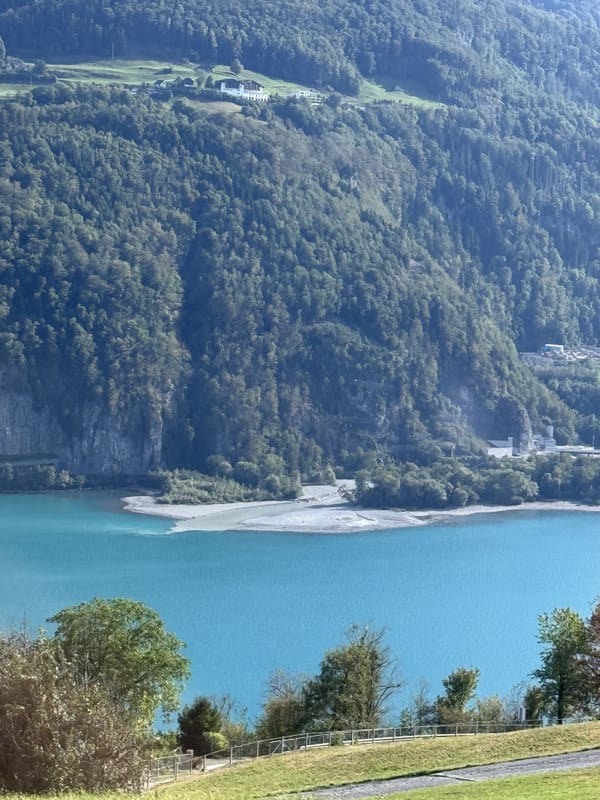
The so-called «Flamingo Revolution» (Revolucioni i Flamingove) is no cosy birdwatchers' protest. Analysts like Gresa Hasa call it the biggest protest wave in Albania since the fall of communism in 1991 — and strikingly independent of both major parties. The trigger is a luxury resort tied to Jared Kushner's fund Affinity Partners (Ivanka Trump publicly gushed about Sazan Island) that would stretch across the protected island of Sazan and the Zvërnec stretch of the Vjosa-Narta lagoon — one of the last intact wetlands in the Mediterranean and a wintering ground for flamingos. Rama calls it a «€4 billion investment»; the Sazan part alone was granted «strategic investor» status worth around €1.4 billion.
Nobody knows exactly how big the movement is: on 20 June, up to 250,000 people were reportedly on the streets — that's an Albanian media estimate, not an independent count. For campaigners, it's a goldmine anyway. Here are the three things that turned a forgettable letter-to-the-editor into a national movement.
1. The symbol: why the flamingo beats everything
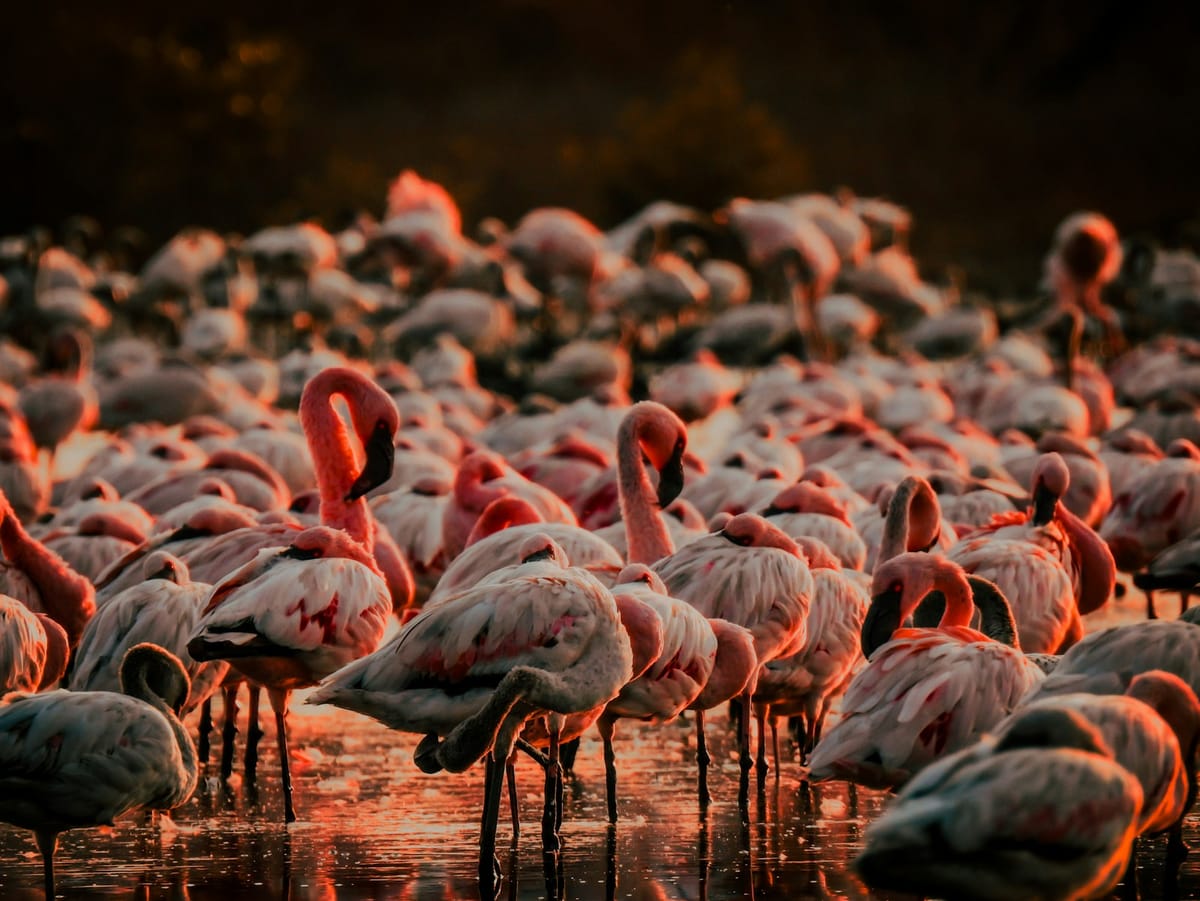
A technical fight over zoning plans wins no hearts. The movement grabbed the greater flamingo — the charismatic species that gathers in exactly these lagoons.
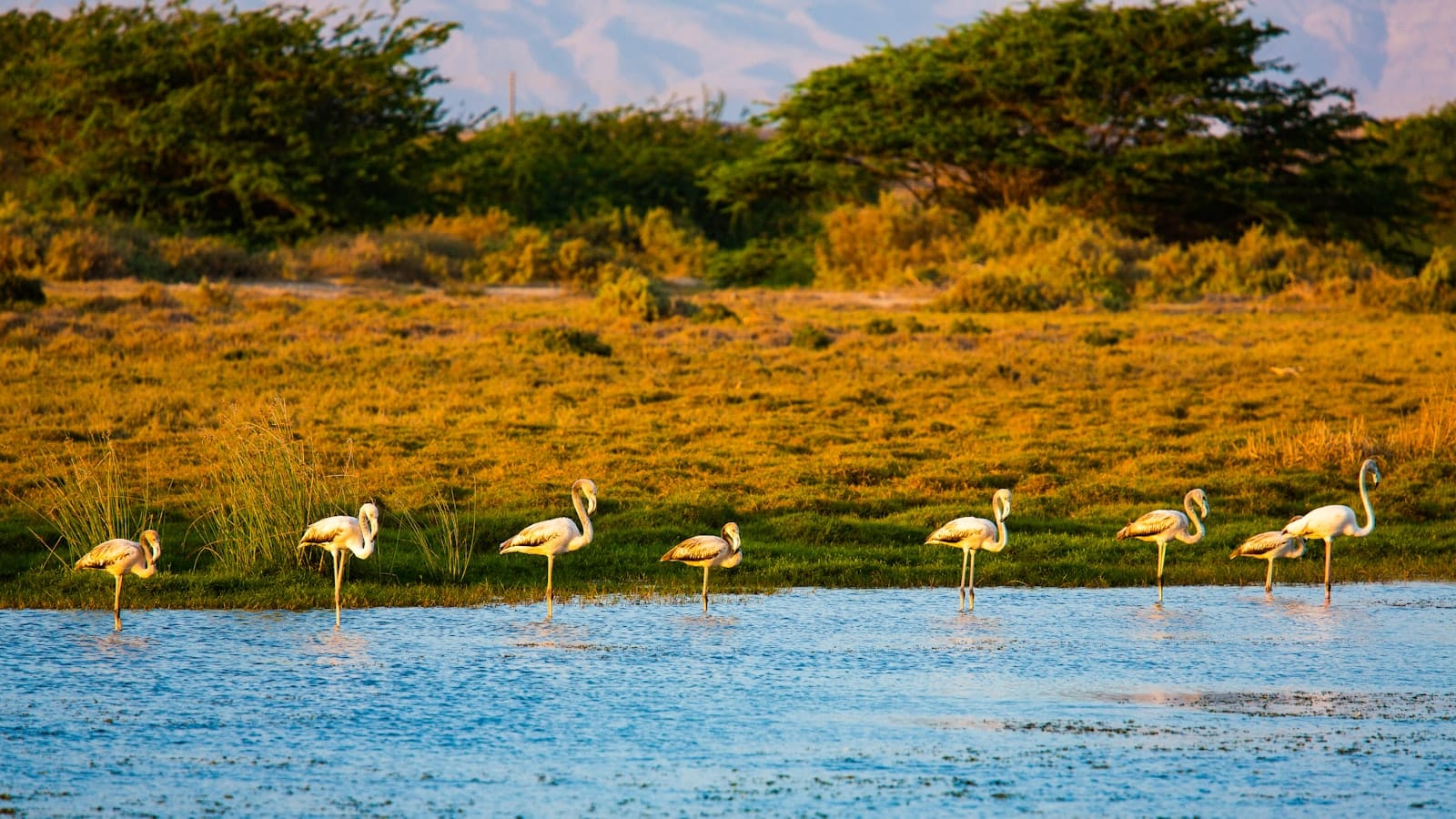
The flamingo works as visual branding that needs no language. Inflatable and cardboard flamingos at every demo create an instant moral contrast: pink feathers against black riot gear, fragile nature against heavy diggers. And it travels: a pink flamingo is legible even to an audience that knows nothing about Albania's planning system.
The lesson: pick a symbol that's already rooted in the place — not a generic campaign-logo invention. It has to make the abstract threat instantly visible and emotionally tangible. But: keep the symbol chained to a concrete demand, or the movement becomes a meme. With the flamingos, the demand is right there in the image: stop the works, enforce the protected status, publish the permits and the environmental impact assessment.
2. Reframing: from nature to the rule of law
Edi Rama's government tried the classic line: «jobs and progress versus a few birds». The campaigners didn't fall for it. They reframed the issue — away from pure ecology and toward opacity, disputed land titles and the privatisation of public heritage for foreign elites. BIRN's reporting exposed an opaque shell-company structure (ownership via a Dutch trust), and the special anti-corruption prosecutor, SPAK, opened investigations and froze assets (the exact figures vary between reports). Suddenly it was an anti-corruption fight — one that also reached people who couldn't care less about flamingos.
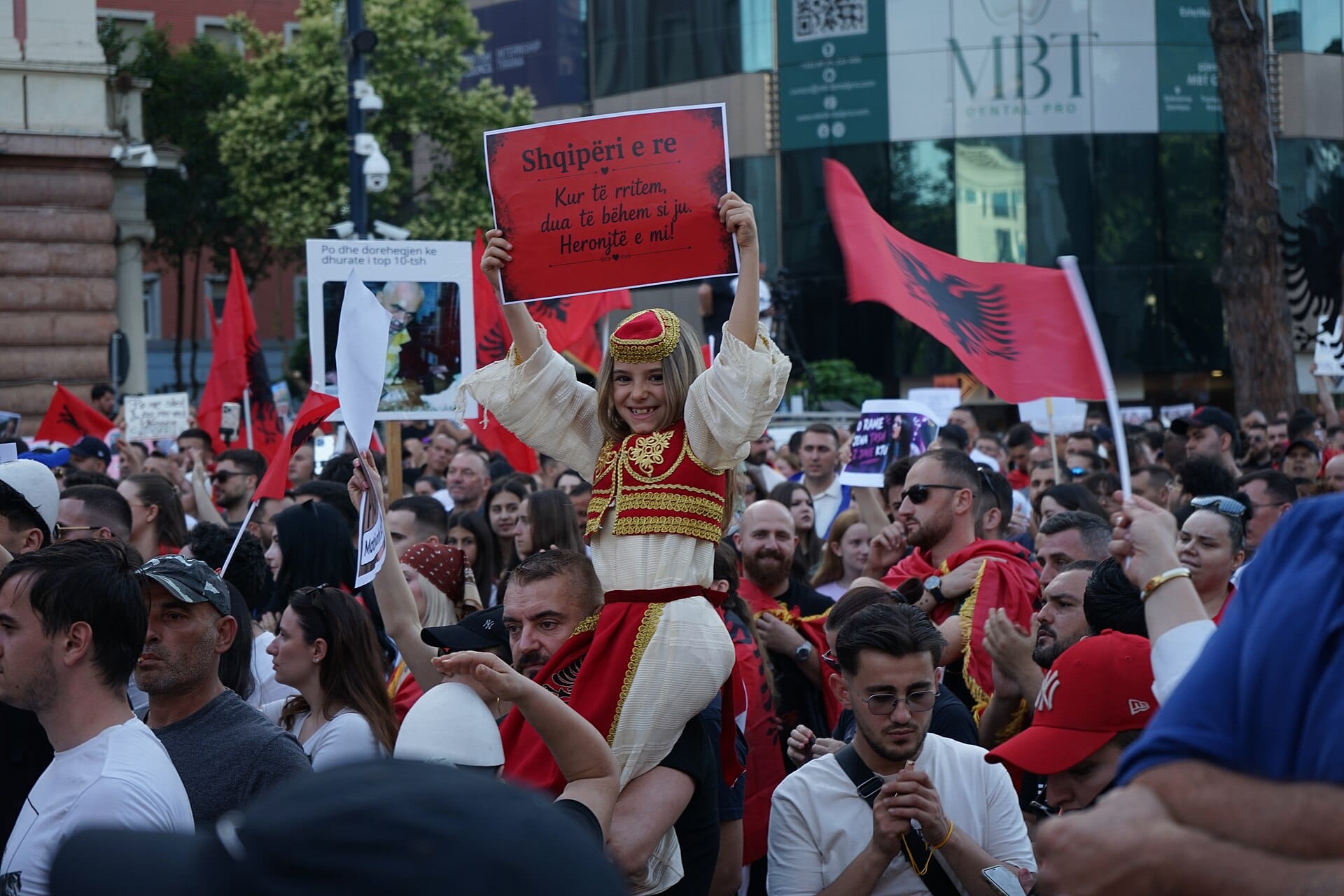
One more thing was decisive, and it wasn't the symbol: on 30 May, private security attacked demonstrators while police stood by. That single image is what tipped a local land dispute into a national movement.
The lesson: never accept the «jobs versus nature» trap. Move the fight onto terrain where your opponent is vulnerable — legality, process, the commons, who decides and who profits. And watch for the one undeniable moment that makes the abstract critique concrete.
3. International leverage: the EU card
Albania wants into the EU. That's the biggest lever a civil society in a small country has. Because compliance with environmental law (EU accession Chapter 27) is a formal benchmark, PPNEA, EuroNatur and partners could credibly argue that Vjosa-Narta jeopardised Albania's EU path.
It escalated all the way to the European Parliament: on 17 June, MEPs adopted a resolution with 483 votes in favour calling for a moratorium on construction in protected areas and the repeal of the 2024 legal amendment. Individual MEPs — up to a Parliament Vice-President — even travelled to the Tirana rallies. A coastal dispute thus became a diplomatic problem for Rama, one he can no longer wave away as «foreign interference» without damaging his own accession goal.
The lesson: use international institutions to amplify local agency, not replace it. The strongest external pressure arrived after the visible mobilisation on the ground — and with a precise, standards-based demand. Ask yourself: which treaty, which lender standard, which accession condition makes your local harm internationally expensive?
The danger of maximalism — and honesty about the win
Two warnings to close.
First: the demands widened from «stop the project» to «resign, government». That's a classic dilemma — broad demands mobilise more people but make incremental gains harder, because the other side shuts down completely when it faces an existential threat.
Second, and more important: don't oversell the win. What's documented so far is that the razor-wire fence at the site was removed (Rama himself called it a «disgraceful idea»), that the European Parliament passed its resolution, and that the European Commission reports a ministerial commitment to a comprehensive environmental assessment. What has not been won: cancellation of the project, repeal of the 2024 law, or a final court ruling. That's leverage and a partial concession — not a decisive victory. Confuse the two and you lose credibility.
Albania shows us: campaigning is strongest when it runs facts, lawsuits and street protest in parallel — and when it cleanly distinguishes a tactical concession from a political commitment from a real, implemented decision. The flamingos are still flying. Whether they land or get battered in the political storm, we're watching closely.
What do you think? With movements like this, is the drift toward maximal political demands unavoidable — or a strategic mistake?
This post was created with partial use of AI tools (including for fact-checking) such as Gemini, Perplexity and Manus. All content has been carefully reviewed, revised and is my own responsibility. This is a live, fast-moving story; figures and outcomes were accurate to the reporting available at the time of writing. The header image (flamingo flock) and the lagoon image are licensed illustrative stock from Unsplash with attribution; the Tirana protest photo is by Albinfo (CC BY 4.0) via Wikimedia Commons.