
The pirate flag is flying everywhere: How Gen Z is redefining activism in the Global South and what lessons Western organisations should learn from it
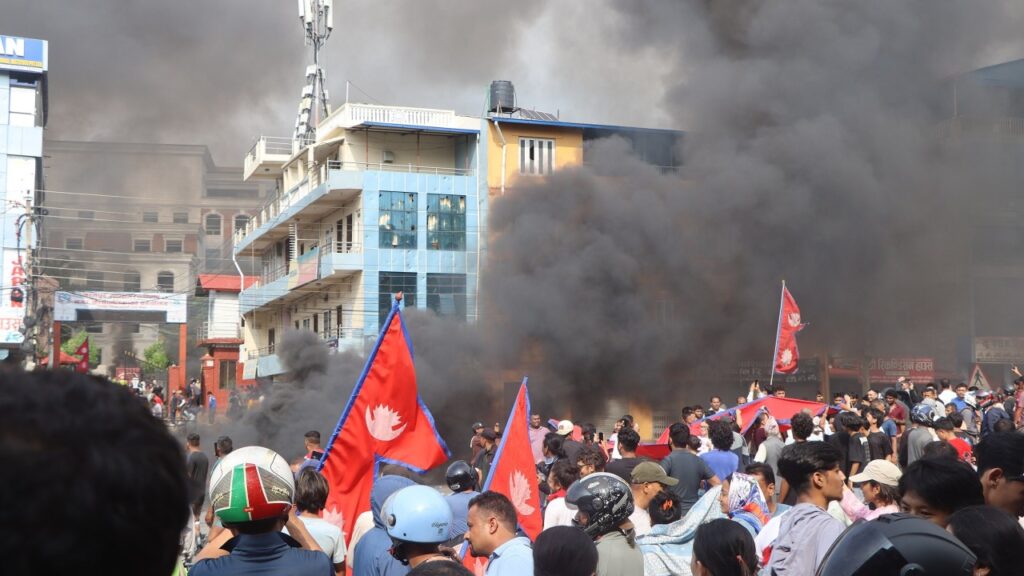
Generation Z (Gen Z) has made 2024 and 2025 a turning point for political activism. From Nepal to Madagascar to Kenya, young people between the ages of 15 and 29 have turned their smartphones into powerful instruments of change, often with remarkable success in destabilising established governments. These movements are the consequence of a profound convergence of macroeconomic pressure, chronic governance crisis and the digital maturity of a new generation of political actors.
For politicians and campaigners in Western countries, these decentralised uprisings are more than just news from afar. They are a blueprint for the future of mobilisation.
The main theses of this article:
- Corruption as a universal denominator: Gen Z is shifting the political discourse from complex policy debates to clear moral demands against nepotism and systemic abuse of power.
- The decentralised architecture: The movements deliberately dispense with central leaders (leaderless structure) and use gaming platforms such as Discord for elusive coordination.
- AI as a weapon of enlightenment: The use of AI tools (such as ChatGPT) to analyse complex legal texts deprives elites of their monopoly on legislative interpretation and democratises expertise.
- Resilience pays off: Gen Z’s psychological tolerance of ambiguity means that repression is counterproductive and only further strengthens the narrative morality of the movement.
1. The universal spark: corruption and the moral uprising
Gen Z movements arise from deep-seated economic problems. Over 3.3 billion people live in countries that are forced to spend more public money on debt servicing than on essential social sectors such as health and education. This economic imbalance is seen as a moral failure of the global system.
In this environment, endemic corruption acts as the immediate catalyst for protest. The anger is always directed at nepotism and systemic abuse of power. Campaigns such as the #NepoKids campaign in Nepal highlight the extravagant lifestyles of politicians’ children and serve as a precise example of the anti-elite attitude.
Gen Z refuses to allow political issues to be rendered inaccessible by legislative complexity. Instead, they direct their anger directly at systemic rot. The battle cry associated with the pirate epic One Piece – a world where all friends can eat as they please – symbolises this combination of idealistic justice and pragmatic security of supply.
Lesson for Western campaigners:
In societies where policy details are often complicated, returning to a clear moral framework is crucial. Instead of getting caught up in technical policy debates, you need to highlight the gap between elitist privilege and the everyday problems of citizens (e.g. housing shortages or debt crises) in an emotional and morally charged way, as this creates a broad basis for mobilisation.
2. The architecture of agility: strategic decentralisation
The most notable feature of Gen Z movements is their organisational structure: organisation without organisers.
The movements deliberately avoid centralised leadership, which makes them resilient to state repression. The absence of a central negotiating partner renders attempts to ‘decapitate’ the movement through arrests largely ineffective.
Discord as a command centre
Central coordination takes place via decentralised, elusive digital networks. The gaming platform Discord in particular has established itself as an ideal mobilisation channel.
- Decentralised structure: Discord servers (such as that of ‘Hami Nepal’ with over 100,000 members) enable virtual meetings and decentralised, transparent voting. In Nepal, the interim prime minister was elected online by more than 10,000 digital participants.
- Resilience: Discord is particularly effective due to its decentralised structure and real-time capabilities, and is less subject to government surveillance than traditional social media.
- Cultural iconography: The use of the Jolly Roger flag from the anime One Piece serves as a global ‘value bracket’ symbol for freedom and justice.
Lesson for Western campaigners:
The era of cumbersome, hierarchical NGOs and party structures is coming to an end. You must learn to support and replicate horizontal, network-based structures.
- Platform adaptation: Consider platforms beyond X and Facebook – Discord and TikTok are the primary places of strategy and mobilisation for Gen Z.
- Financial autonomy: The movements strive for financial autonomy in order to isolate themselves from traditional political influence.
3. AI, hacktivism and the demystification of power
Gen Z uses technology not only for mobilisation, but also to disempower the elite.
The use of AI for education
In Kenya, activists used AI tools such as ChatGPT to quickly translate the complex draft of the Finance Bill into local languages and answer questions. This tactic neutralised the elite’s traditional weapon – the deliberate staging of opacity and complexity in legislation. The democratisation of expertise dramatically increased the legitimacy of mass mobilisation.
Lesson for Western campaigners:
Use AI-powered analysis tools to prepare complex political documents (draft legislation, budgets) immediately and comprehensibly for your target audiences.
Digital confrontation and resilience
The movements use multi-platform approaches.
Digital tactics included:
- VPN circumvention: Despite censorship, protesters circumvented bans by using VPNs and QR code flyers, leading to an 8,000 per cent increase in VPN usage.
- Digital confrontation (spam tactics): In Kenya, the phone numbers of political leaders were deliberately circulated in order to flood them with calls and messages – a direct, non-violent form of psychological pressure.
At the same time, Gen Z activists demonstrated remarkable resilience. Massive state repression (e.g., 50 deaths in Kenya and deadly escalations in Nepal) is seen by Gen Z as further proof of the immorality of the elites. The movements quickly revive after violent suppression.
Lesson for Western campaigners:
Accept that modern campaigns require decentralised and persistent digital tactics. Be prepared for repression (or, in Western contexts, delegitimising criticism) not to stop the movement, but on the contrary to reinforce its moral narrative.
4. Conclusion and call to action: From protest to participation
The Gen Z movements of 2025 mark a paradigm shift. They show that the combination of technological sophistication, decentralised organisation and a morally charged anti-corruption agenda forms a highly resilient force.
The successes were impressive: in Kenya, a controversial finance bill was withdrawn; in Nepal, a government was brought down; and in Madagascar, the president was forced to flee after parts of the military joined the protests.
The challenge of disoriented succession
However, extreme decentralisation and the rejection of leadership roles can also lead to a lack of strategic continuity. If power is successfully destabilised but no clear alternative governance structures can be established, there is a risk of ‘disoriented succession’. The strategic task is to harness the energy of decentralised mobilisation and translate it into sustainable political participation.
CTA: Adopting digital logic
To Western politicians, campaigners and NGO leaders:
To remain relevant and harness the transformative energy of Gen Z, you must adopt the digital logic of modern activism:
- Transform your structures: Stop funding exclusively hierarchical organisations. Demand and support network-based, agile collectives that determine their leadership on an ad hoc basis.
- Demystify politics: Use AI and open-source analysis to make political processes transparent and understandable to every citizen.
- Establish a genuine, inclusive dialogue: See Gen Z not just as protesters, but as co-creators. Create channels to translate the momentum of the streets into sustainable political participation.
Global Gen Z has proven that it is ready to rewrite the rules of protest. The future of political transformation lies in the agility defined by digital native speakers.